The death penalty has existed since the dawn of human civilization. As human moral standards have improved over time, the death penalty has been implemented in a much more controlled manner. However, in the context of today’s United States, the death penalty, also known as capital punishment, has been a contentious topic of political debate, especially in recent decades.
As of 2021, capital punishment is authorized in 27 states, by the federal government, and by the U.S. military. 23 states do not allow defendants to be sentenced to death.
In the 1976 case of Gregg vs. Georgia, the U.S. Supreme Court reaffirmed the legality of the death penalty. Since then, there have been 1,532 executions in the United States, including 1,349 by lethal injection, 163 by electrocution, 11 by gas inhalation, 3 by hanging, and 3 by firing squad. Capital punishment has been one of the most controversial political topics in recent decades, as more and more people are arguing that it is an inhumane and unnecessary form of punishment.
State-sanctioned executions have plummeted in the U.S. since the late 1990’s, as support for the death penalty among American citizens has also waned. As the death penalty has become less and less popular among the American public, it forces us to scrutinize our criminal justice system. We must ask ourselves whether or not capital punishment is justified in a system that may not be fair in how it treats its defendants.
I have long been a supporter of keeping the death penalty, as long as it is reserved only for the most wicked murderers. However, in no way does this make me immune to trying to understand the flaws in our justice system. This has led me to have some very harsh criticisms for how the death penalty has been carried out in this country.
First, let’s look into some arguments that are in favor of keeping the death penalty as a limited factor in our justice system. Capital punishment is not a lottery of an unlucky few who die at the hands of the state. It is not as if criminals are chosen indiscriminately to be sent to death row. Rather, the only people who are sentenced to death are the most brutal murderers who commit the most heinous of crimes.
A long period of prison time, including a life sentence, is often not a harsh enough punishment for such an evil crime. Take a look at some of the people executed at the federal level in the last couple of decades.
Timothy McVeigh killed 168 people, including 8 federal law enforcement officers, and injured over 680 others in the 1995 bombing of the Alfred P. Murrah Federal Building. Wesley Ira Purkey kidnapped, raped, and murdered 16-year-old Jennifer Long, then dismembered and burned her body. Purkey went on to murder Mary Ruth Bales, an 80-year-old polio patient. Dustin Lee Honken murdered 5 people in Iowa, carrying out the killings in an attempt to hide his methamphetamine drug dealing operation.
These are just a few examples of the heinous acts of violence whose perpetrators were put to death. I am quite sure that no one disputes the savagery of these crimes. However, this debate is over whether these people deserved to die at the hands of the state. In my opinion, I do not see how a life sentence for any of these people achieves true justice. When it comes to murders so vicious and so vile, the death penalty simply must be carried out. Capital punishment is obviously not something that is ideal, but sometimes we have no choice but to put someone to death. This belief of mine is obviously something that is strongly contested by those who think that it is inhumane to kill any person, even if they have committed such horrible crimes. In fact, the right to life is something that is explicitly stated in the Declaration of Independence, and opponents of capital punishment use this argument to protect the lives of those who commit crimes that are worthy of the death penalty.
While I am not in favor of the abolition of the death penalty nationwide, the serious defects and failings in our justice system really make me question the way in which the death penalty is being executed in today’s environment.
A common argument among those who support the death penalty is that it makes society safer, as capital punishment deters people from committing violent crimes. However, there is no statistical evidence to demonstrate a credible relationship between the death penalty and lower crime rates. On the contrary, states that do not allow the death penalty have consistently had lower murder rates than states that do allow the death penalty. Essentially, the idea that state-sanctioned executions is a tool to discourage violent crime is categorically false.
Since 1990, death penalty states have consistently had higher murder rates than non-death penalty states. In fact, the gap has grown over time. Those who support the abolition of the death penalty use this statistic as evidence that capital punishment does not keep society safer in any way, nor does it deter criminals from committing murder.
Now, let’s examine how the justice system has repeatedly failed to live up to its name. Since 1973, 185 people have been exonerated and released from death row. For every 9 people executed, one person on death row has been exonerated. This is a shocking rate of error that shows a glaringly obvious problem with our criminal justice system, and it seriously brings into question the effectiveness of how the death penalty is implemented. Think about how many innocent people have suffered on death row and were almost killed, had it not been for their exoneration coming just in time. Even worse, imagine how many people have been executed who were innocent all along. There is no way to know exactly how many innocent people have fallen victim to the death penalty, but based on the rate of error, we can comfortably say that there have been far too many people who have been murdered at the hands of the state.
But what about “innocent until proven guilty”? Wouldn’t the legal principle of the presumption of innocence prevent so many innocent people from being put on death row? Wrongful convictions can be attributed to a wide range of factors, including erroneous eyewitness testimony, false and coerced confessions, false or misleading forensic evidence, and inadequate legal defense. More often than not, capital punishment is imposed on those who cannot afford to hire an effective lawyer. In addition, witnesses often make false accusations in exchange for lenient treatment or other incentives for their testimony. In 2018 alone, 111 exonerations involved witnesses who lied on the stand or falsely accused the defendant. To make matters worse, corrupt and dishonest behavior by police and prosecutors also play a major role in wrongful convictions. Police and prosecutorial misconduct were involved in 79% of homicide exonerations in 2018.
We have a deeply flawed justice system. The desire to achieve convictions rather than deliver justice has poisoned our justice system to the point where it is no longer trusted by the public. Is it possible to keep the death penalty in a system that is just too unreliable?
Walter “Johnny D” McMillian, a black man, was convicted and sentenced to death by electrocution for the murder of Ronda Morrison, a young white woman. The state of Alabama had relied on a few false, coerced testimonies that were used by the jury to convict Johnny D of a crime that he did not commit. The state’s witnesses had been coerced to lie on the stand, and the prosecution had illegally suppressed exculpatory evidence. After spending six torturous years on death row, Johnny D was finally exonerated and released. The case of Walter McMillian is a prime example of not only legal injustice, but racial injustice.
Now, let’s look at a further dimension of the justice system that adds a layer of complexity to the death penalty question: racial bias. The current U.S. death row population by race is 42.2% white and 41.6% black. The race of defendants executed in the U.S. since 1976 (when the Supreme Court allowed the restoration of the death penalty) is 55.7% white and 34.1% black. Keep in mind, black people represent just 13.4% of the U.S. population.
At the time of my research, I still felt like I needed more evidence to believe that our criminal justice system was truly racially biased. I did some more digging, and I found some pretty damning evidence that race played a major role in how the death penalty was being applied.
“In 82% of the studies [reviewed], race of the victim was found to influence the likelihood of being charged with capital murder or receiving the death penalty, i.e., those who murdered whites were found more likely to be sentenced to death than those who murdered blacks.”
-United States General Accounting Office, Death Penalty Sentencing, February 1990
After reading this quote, I wanted to find some hard evidence to back up this statement. Let’s take a look at some statistics regarding the race of the victims whose perpetrators were executed, since 1976.
75.7% of the victims were white, while 15.2% of the victims were black. As we can see, the gap between whites and blacks is much larger here compared to the relatively even percentages of white and black people on death row. Essentially, the justice system is much quicker to pounce on the opportunity to execute someone who killed a white person compared to someone who killed a black person.
Let’s take it one step further: interracial murders since 1976. In cases where there was a white defendant and a black victim, there were 21 executions. Do you know how many executions there were when the races were reversed (a black defendant and a white victim): 297. That’s 21 vs. 297! That is a huge difference in how the justice system treats interracial murders. Now, I am not defending the individual murderers. I would never defend a killer. However, it is clear that the justice system as a whole seems to be more willing to execute a black person when they are given the chance, especially when the victim is white.
The American people have taken an active role in voicing their opposition to the death penalty and their desire to have it abolished. Some argue that executions by the state have no place in a corrupt and untrustworthy criminal justice system. Others argue that every human being is entitled to keep their life, even if they have committed egregious murders.
I want to reiterate my opposition to abolishing the death penalty. I still think that it is important to at least keep capital punishment on the federal level. There are just too many heinous murders that I would hate to see go unpunished. I find it to be unfair when those who commit the most atrocious killings get the luxury of living the rest of their life in relatively comfortable conditions in prison. However, to say that we have a reliable, fair, and unbiased criminal justice system does not hold up under careful examination.
Perhaps we can find some middle ground. Maybe we can make some reforms to how and when the death penalty is carried out, rather than just completely abolishing it. Maybe we can give special attention to capital punishment trials in order to ensure that the defendant received a fair trial. The justice system is proving to be too unreliable to treat these death penalty cases just like any other trial. It should not be this easy to send innocent people to death row, as has happened far too often in the past. I propose that in cases where capital punishment is on the table, the defendant should receive a second confirmatory trial that is completely independent of the initial trial. While this would certainly prolong the process, it would be a step towards being more careful in ensuring that justice is delivered in cases that result in the state-sanctioned killing of a human being.
While this would not magically solve all of the problems in our justice system, I believe it to be a step in the right direction towards achieving equal justice for all.
“If I don’t feel doubt, I’m going to be in trouble. Doubt is very important to my success.”
-Rafael Nadal
If you know anything about the game of tennis, you would be sure to take Rafa Nadal’s words pretty seriously. But when I heard Nadal say this in a 60 Minutes interview, I must say that I was a little bit surprised. Rafa Nadal, one of the greatest tennis players of all time, saying that doubt is a good thing? Certainly not what I was expecting. I immediately asked myself: “Why would Rafa say that self-doubt is a necessary attribute for a tennis player?”
Rafa explained that nerves are key to a tennis player being alert and ready for the constant changes that occur during the course of a tennis match. Having a certain degree of nerves makes you stay on edge, allowing you to reach your full potential and peak performance.
Rafael Nadal explained in a 60 Minutes interview how self-doubt can be used as a strength rather than a weakness.
I thought about how Nadal’s words apply to myself as a tennis player, and I have come to realize that the topic of nerves and self-doubt is something that directly relates to my tennis career. As I talked about in my last tennis article, I have a meticulous personality, always adhering to a specific routine exactly as planned. In preparation for an important tennis match, I make sure to follow an intense warm-up routine so that I am ready for optimal performance. However, despite considering myself to be a bundle of nerves, I have learned a lot about how these nerves must be handled. Throughout my tennis career, I have grown to make it a part of my journey to work on controlling this part of my game.
As Rafa said, nerves are good. But based on my experience, they are only good to a certain extent. Having self-doubt can be used as a power; but if it gets to the point where that self-doubt is holding you back, then those nerves have become detrimental. Finding the balance between being too carefree and too uptight is a struggle that resonates with me as a tennis player. I have had a great amount of success with it, while also having some unfortunate shortcomings.
The name of my website indicates that tennis and politics are my strongest passions. This is true, but I also have a strong affinity for psychology. I would like to allude to a psychological concept that is pertinent to this article: the Yerkes-Dodson law. Originally developed by psychologists Robert M. Yerkes and John D. Dodson in 1908, this law explains a nuanced empirical relationship between pressure (tension, arousal, and/or anxiety) and performance. Essentially, the law states that we are able to perform better when there is increased mental or physiological arousal, but only to a certain extent. If this arousal goes overboard, it causes our performance levels to fall off a cliff. The bell curve shown below illustrates this psychological phenomenon.
This bell curve encapsulates the essence of the Yerkes-Dodson law. Performance increases as arousal increases, but only to a certain extent. Once arousal is too high, performance begins to suffer.
The Yerkes-Dodson law applies to so much more than just tennis. It pertains to nearly every aspect of life that we can think of. You need to have a certain degree of nerves (arousal), but it must be controlled. If you become overly stressed or anxious, it can lead to impaired performance.
As a student-athlete, I always enjoy finding meaningful comparisons between my experiences on the tennis court and in the classroom. There are countless similarities between taking a test in school and playing a match on the court. The Yerkes-Dodson law applies perfectly to both situations.
When you take a test, you have to go in with a mindset that you are ready to take a challenging assessment that you have tried your best to prepare for. You cannot just walk into the classroom completely relaxed and unfocused, as this could lead to careless errors and a potentially poor result on the test. However, it also cannot get to the point where you are so anxious and fearful of failure that it causes your concentration and performance to suffer.
That sounds a lot like performing in a tennis match (or any competitive sports competition, for that matter). The correlation could not be more clear.
There is nothing that I love more than competing. I love winning, and I hate losing. Ever heard of the saying that your greatest strength is also your greatest weakness? This can be directly applied to my game. My desire and determination to win propels me to compete hard and to perform well. But this intense hunger for victory can have some “side effects.” Finding a healthy equilibrium of emotion has been at the center of improving the mental aspect of my game, which is a critical part of my long-term development.
As I always do with my tennis articles, I feel duty-bound to connect my experiences and lessons as a tennis player to my life as a human being. As we all know, life is filled with challenges where the answer is not always clear. If life were easy, there would be no need to be nervous about anything. Nerves and self-doubt are normal and necessary emotions that cannot be avoided. Nonetheless, overcoming mental barriers to performance is essential and goes so far beyond the tennis court, extending and applying to all aspects and events of life.
The United States of America is known for its democratic form of government in which the people have a strong say in who runs their country. But if you look at how we elect our president, it is hard to argue that we have a true democracy. One could even argue that our presidential elections are inherently undemocratic, and this is largely due to the system of the Electoral College.
This is the Electoral College map of the most recent U.S. presidential election in 2020. Democratic candidate and former Vice President Joe Biden defeated incumbent Republican President Donald Trump by an electoral vote count of 306 to 232.
Understanding the historical background of the Electoral College is key to the debate on whether we should keep it as it is, reform it, or completely abolish it.
How exactly does this system work, and where does it come from? America is a democratic republic that functions differently compared to other democracies. The people do not directly vote for the president; rather, they play an indirect role in choosing their leader.
The non-Congressional electors of each state, who make up a legislative body called the Electoral College, are the ones who directly elect the president. They are expected to vote in accordance with the popular vote of their state, but they are not required by law to do so. Electors who do not vote for the candidate that the people of the state voted for are called faithless electors.
When you vote, you are basically hoping for the popular vote of your state to be in favor of the candidate that you are voting for, since this would result in your state’s electoral votes being given to that candidate. Your vote is not counted toward a national tally. In fact, your vote ends up meaning nothing if the state votes against your candidate.
Every four years on election day in November, we see these random numbers on TV, such as “538 electoral votes” and “270 votes to win!” But where do these numbers come from? We have to go back to the nation’s founding to fully grasp how our electoral system works.
The Constitutional Convention of 1787 in Philadelphia was a hotspot of fiery political debates over how the new nation should be governed. One of the most contentious arguments in the Convention was how the president should be elected. The delegates simply could not agree on a solution to the problem. Some believed in a national popular vote, but this idea was met with fierce resistance from those who feared giving too much power to the people. As a result, they ended up devising a peculiar system that would serve as a compromise between rivaling factions within the Convention. We can see here that the Electoral College was in no way an ideal plan that everyone in the Convention was enthusiastically on board with. Rather, it was more of a glued-together solution to one of the many conflicts that consumed the Convention. The Electoral College was necessary for the ratification of the Constitution and the preservation of the Union in its early years.
The United States Constitutional Convention of 1787 in Philadelphia, Pennsylvania was arguably the most consequential moment in American history. The Founding Fathers had initially intended to revise the Articles of Confederation, but the Convention ended up abandoning the Articles and drafting a new Constitution. The Convention was filled with heated debates and fervent disagreements, and the fight over the Electoral College was no exception.
There were a few reasons why the Founding Fathers feared giving the people too much power in choosing their leader. America in 1787 was extremely divided. There was no real “national politics” in which people were aware of what was going on in other parts of the country. The Framers believed that ordinary people would not have the resources to be properly informed about the candidates or national politics as a whole. They also feared a potential “democratic mob” that could steer the country into chaos. Lastly, a president appealing directly to the people could command dangerous amounts of power, as would later be seen with tyrants like Nazi Germany’s Adolf Hitler.
Many people do not realize that the Electoral College is based on the exact same reasoning used for representation in Congress. Let’s take a look at a few more important aspects of what was going on in Philadelphia in 1787.
Representation in Congress is based on a few different plans that were presented at the Convention. The Virginia Plan argued that the number of delegates in Congress that each state receives should directly correspond to the population size of that state. The New Jersey Plan argued that each state should get equal representation in Congress regardless of that state’s population size. The reasoning behind this plan was to prevent states with highly populated cities from overpowering states that had more rural areas with lower population sizes. The bicameral legislature in Congress that we have today is based on the Great Compromise (also known as the Connecticut Compromise), which is a merging of the Virginia and New Jersey Plans. The House of Representatives is based on the Virginia Plan, in which the number of delegates for each state corresponds to the state’s population size. The Senate, on the other hand, is based on the New Jersey Plan, in which each state gets two senators no matter its population size.
The electoral votes in the Electoral College are based on representation in Congress. For example, Florida has two senators (just like every other state) and 27 members in the House of Representatives, which is why Florida receives 29 electoral votes (2+27=29). This same logic is applied to every state. Modern elections have a total electoral count of 538 votes (535 members in Congress, plus 3 electoral votes for Washington, D.C.). This is why 270 is the “magic number,” as this gives a candidate a majority of the electoral votes. Those 270 votes, not the national popular vote, is what awards a candidate the presidency.
This is a depiction of Connecticut delegates Roger Sherman and Oliver Ellsworth drafting what became known as the Great Compromise. It was an agreement between large and small states over how much representation each state would receive in the legislative branch (Congress) of the federal government. This compromise is credited with saving the Constitution, as Congressional representation was one of the most scorching conflicts in the Convention. The Electoral College is based directly on the Great Compromise.
Now that we understand how the Electoral College works, as well as the history behind it, let’s analyze the arguments on both sides of the debate. Should we keep the Electoral College as it is? Or is it an outdated system that needs to be replaced with a national popular vote? Perhaps there could be some middle ground? I would like to present the strongest arguments from each perspective, starting with why we should keep the Electoral College.
Despite the virtues of democracy in giving “power to the people,” it has its flaws. A direct democracy in which “majority rules” opens the door to demagogues who are capable of convincing the masses to support them, regardless of their true qualifications as a candidate. Thomas Hobbes, a supporter of the U.S. Constitution, referred to direct democracy as nothing more than an “aristocracy of orators.”
While democracy in its ideal form is the best system of government, the Electoral College acts as a protective barrier against the dangers and flaws of democracy, particularly a direct democracy in which the “tyranny of the majority” can cause major problems.
We already talked earlier about how the Great Compromise was the agreement that the Electoral College is based on. It gives greater representation to states with higher populations. This makes perfect sense, since a state with more people deserves more of a say. However, it also ensures that these bigger states with highly populated cities do not totally overrule and tyrannize smaller states with lower populations and mostly rural areas.
Take a look at Texas and Montana. Texas is a highly populated state with 29.2 million people, which is why it has a great number of electoral votes (38). With just 1.1 million people, Montana is a state with a very low population compared to Texas, which is why it only has 3 electoral votes. It only makes sense that Texas has much more representation than Montana due to having a much larger population. However, the 3 votes that Montana does receive gives it just enough electoral representation so that those people are not totally ignored by candidates.
The Electoral College deters candidates from solely campaigning in highly populated regions of the country, particularly in big cities and highly urbanized areas. Without the Electoral College, candidates would only focus on winning over the masses in big cities, while totally ignoring vast parts of the country, particularly rural areas where populations are smaller. It holds candidates accountable for winning popular votes across the country as a whole, rather than only focusing on small parts of the country here and there that have large populations.
Keep in mind, the Electoral College has kept our country stable for over 200 years. If it’s not broken, why would we try to fix it?
Now, let’s hear what the other side has to say: abolishing the Electoral College and directly electing the president through a national popular vote.
It is both fair and logical to believe that a democracy should entail a voting system that ensures that each person has an equal vote. However, the Electoral College causes some votes to be worth more than others, depending on which state you happen to live in.
Let’s look at California and Wyoming. California has 55 electoral votes to represent their population of 39.7 million people. Wyoming has 3 electoral votes to represent their population of 581,000 people. After a couple of basic calculations, you can see that each California electoral vote represents approximately 721,000 people, while each Wyoming electoral vote represents approximately 193,000 people. Essentially, each individual electoral vote in Wyoming is worth much more in comparison to California. Now, this is the most extreme example, since California and Wyoming are the most and least populated states, respectively. But this exact same logic applies to all states across the country. Since each state gets 2 senators no matter their population size, small states get an unfair boost to their representation in the Electoral College. This causes the idea of “one person, one vote,” a defining feature of democracy, to be thrown out the window.
Those who advocate for an end to the Electoral College argue that it does not represent the will of the people, nor does it belong in a truly democratic form of government. There have been over 700 attempts to reform or abolish the Electoral College, but none of them have been successful.
Perhaps the biggest flaw of the Electoral College is the “winner takes all” system that applies to nearly every state in the country. Back in 1787, the Framers expected each elector to vote independently for the presidential candidate. The Constitution does not require all of a state’s electoral votes to go to one candidate. However, over time, every state, except Maine and Nebraska, has passed laws that require all of the state’s electoral votes to go to the candidate who wins the popular vote of that state. Electoral independence has been completely wiped out, which has resulted in the “winner takes all” system that does not accurately reflect the divided popular vote of the state. For 48 out of 50 states, the margin of victory of the popular vote has no impact on the final electoral vote count. Whether a candidate wins by a whopping 25 million votes, or by a mere few thousand votes, that candidate receives every electoral vote of that state. If your candidate loses the popular vote of your state, then your vote means nothing. How can we live in a democracy where our vote could have no impact on the final result?
Another flaw of the “winner takes all” system is that candidates can ignore “safe states” and only focus on “swing states.” A safe state is a state that a candidate can rely on winning without investing too much effort into that state, since it regularly leans toward their political party. For example, in recent elections, a Democratic candidate can almost always rely on winning California and receiving all 55 of its electoral votes, while a Republican candidate can almost certainly rely on winning Texas and receiving all 38 of its electoral votes. They can ignore the interests of each individual voter in safe states, since they can rely on winning the state as a whole.
Swing states are states that often flip from one political party to another, meaning that candidates cannot rely on winning that state. These are the states where candidates invest most of their campaign efforts, since they are the only states that ever seem to matter in close elections. It is unfair that a vote in a swing state carries more influence than a vote in a safe state. A national popular vote would allow every vote to carry equal influence across the country.
In the 2016 U.S. presidential election, Republican candidate Donald Trump defeated Democratic candidate Hillary Clinton by an electoral vote count of 304 to 227 (7 faithless electors between the two candidates). Despite losing the popular vote by 2.87 million votes, Trump managed to win several key swing states, which ultimately gave him the winning edge in the Electoral College. The 2016 election was the fifth time in U.S. history in which the successful presidential candidate did not win the overall national tally. This is a common talking point among those who are in favor of abolishing, or at least reforming the Electoral College.
I value looking at political issues from an objective standpoint to assess the quality of arguments from all sides. I also like to insert my personal opinion into the discussion. I must say that there are quite strong arguments on both sides of this debate, which is why I consider the Electoral College controversy to be one of the more complicated issues in American politics. However, to put it bluntly, I do not support either side! There are too many flaws with both sides for me to comfortably say that I support the current Electoral College or a national popular vote. However, just like in 1787, I believe there is room for a compromise.
I am not, nor have ever been, in favor of abolishing the Electoral College and replacing it with a direct vote at the national level. However, the system that we currently have is in need of serious reform. Here is what I propose:
Each state must divide its electoral votes depending on the popular vote of each district. Rather than a statewide popular vote that determines which candidate receives all of the state’s electoral votes, each district would hold their own independent popular vote. Since the number of districts directly corresponds to the number of delegates that each state has in the House of Representatives, each district would have one electoral vote, no matter its size or population.
For example, Ohio has 16 districts, which corresponds to their 16 members in the House of Representatives. There would be a popular vote in each of these 16 districts. The “winner takes all” approach would apply to each district rather than to the state as a whole. If a candidate wins the popular vote of the district, that candidate would receive the one electoral vote for that district, no matter what the margin of victory is. This same method would be applied to every other district in the state.
Let’s say that the Democratic candidate wins the popular vote of 8 districts, while the Republican candidate also wins the popular vote of 8 districts. The Democratic and Republican candidates would each get 8 Ohio electoral votes. But doesn’t Ohio have 18 electoral votes, not 16? Yes, it does. Those 2 remaining electoral votes (which correspond to the 2 senators) would be given to the candidate who wins the statewide popular vote. Let’s say that the Democrat wins the popular vote of all of Ohio. They would then receive those last 2 electoral votes. The electors of Ohio would split their votes by giving 10 to the Democratic and 8 to the Republican.
This system of requiring each state to divide their electoral votes on district lines allows there to be a more fair and accurate reflection of the popular vote of that state, while avoiding the dangers of a national popular vote.
This is a map of the United States divided into the districts of each state. The number of districts in each state directly corresponds to the number of delegates that state has in the House of Representatives, which is why more populous states contain more districts. In my proposed solution, this is what the Electoral College map would look like, as each state would be required to divide their electoral votes based on the independent popular vote of each district.
It is essentially a mini-Electoral College within each state. The total number of electoral votes across the country would still be 538, meaning that 270 votes would still be needed to win the White House. The only difference is that each state would be much more divided between red and blue, since the state would be required to divide its electoral votes along district lines. This would eliminate the unfair “winner takes all” approach in which all of the electoral votes of a state are given to a single candidate. My proposed solution would more accurately reflect how close the popular vote of the state actually was.
Not only do I argue that this solution is the most fair and balanced way to elect the president, but I also believe that it is the most feasible to achieve. Abolishing the Electoral College and replacing it with a national popular vote would require a Constitutional amendment. This would need a two-thirds supermajority in both houses of Congress, as well as ratification by a three-quarters supermajority of the state legislatures. This is highly unlikely.
However, if you look closely at the Constitution, it says nothing about how the electors must divide their votes. Instead of a Constitutional amendment at the federal level, the states could pass laws that would require the electors to divide their votes along district lines. This is currently how Maine and Nebraska divide their electoral votes. I believe that it is feasible for other states to follow suit in the future.
This would certainly be no easy task. But after an in-depth analysis of this controversial issue, I believe that this is the best way to achieve a truly free and fair presidential election.
If you know me, there is at least one thing that you can say for certain: I am a meticulous man who likes to follow a very particular routine. I like things to be a certain way, following a certain order, in a certain structure, in order to feel as comfortable as possible. This is what makes me feel at ease, in my most secure state of mind. My “comfort zone” is where I like to be.
However, tennis has taught me lessons that have had a profound impact on me. This “comfort zone” that I have mentioned … well, it doesn’t last long. The danger of limiting myself to short-term comfort rather than focusing on long-term development is not something that I have learned all at once; rather, I have grown to understand over time that the only way to improve as a tennis player, and as a person, is to take a step outside those boundaries.
I want to make one thing clear: the process of leaving my safe patterns is still very much a work in progress. At this point in my tennis career, I continue to have my own ups and downs when it comes to adding new things to my game in order to create the best version of myself as a player. On this journey of getting comfortable being uncomfortable, I have come to realize that this is one of the most important aspects for both my player development and my character growth.
What I have talked about so far may seem a bit abstract, so let me give you an example of what I mean. When I was younger, my game relied was defined by my defense and my ability to counterpunch. At a young age, this proved to be an effective strategy that I grew comfortable with. However, as all of us tennis players know, in order to be successful at the highest level, you need to be able to play offense and be aggressive on the tennis court. You need to be able to create your own opportunities rather than just react to what your opponent gives you. Over time, I have worked hard to step outside of the confines of a counterpunching style and move into being more of an aggressive baseliner.
I must admit, this transition has not always been easy, nor has the progression been linear. I have had plenty of setbacks and difficulties in playing a way that isn’t 100% natural for me. However, I have realized that this is the only way to play in a highly competitive sport. Adapting to a new game style has had its share of successes, as well as its failures. These failures normally result from a feeling of hesitancy that comes with stepping outside of my comfort zone. This hesitancy momentarily shakes your confidence, which in turn can lead to mishaps on the tennis court.
But despite the hardships that come with making significant changes, I have also had my fair share of successes that have helped me grow my confidence as a player and as a person. These mini-victories have taught me a valuable lesson: the only way that you can change is if you are willing to change.
It is not always the change itself that is most difficult; rather, the decision to take that first step towards crucial adaptations can prove to be harder than anything. It takes an incredible amount of patience and discipline to continue committing to these changes. This has been one of the biggest obstacles in my tennis career; but it has also become one of the most significant lessons in my life.
If you read my last tennis article, you would know that one of my favorite things to do when writing my blog is to connect my tennis career to my life as a human being. I take pride in what I do on the tennis court, and I consider it a duty of mine to expand the impact of tennis outside the lines.
As I said earlier, what makes me feel comfortable in life is having a routine that I can count on. Predictable things are easier to manage. However, based on my experience (and probably everybody’s experience), I have come to realize that you cannot always rely on things being exactly as you planned them to be. Hardly anything presents itself in a straightforward fashion. What if something goes wrong? What if something turns out to be much harder and more complex than you were expecting? This is where flexibility and the willingness to adapt comes into play, which is something that my tennis career has given me so many valuable lessons on. Challenging yourself to adjust to a variety of different scenarios breeds mental toughness, which I feel I have gained from 14 years of playing high-level tennis.
Tennis is an unpredictable game. As with any other sport, no one can possibly foresee what will happen next. This is why being open to new ideas and styles is such an important skill that is necessary for long-term success. This brings me to the next major challenge: the reward often does not present itself immediately. It could take months, or even years, to reap the benefits of the adjustments that you make to your game. But those benefits make your resilience and hard work feel that much more worth it.
I have learned that tennis is far more than just forehands and backhands. The game is filled with intangible elements that may take a while for a player to fully grasp; but these intangibles prove to be critical in the evolution and growth of the player. On top of that, this evolution goes beyond the tennis court. These ideas can and must be applied to every aspect in life, which is why I find the correlation between tennis and life so valuable.
This is an aspect of history and politics that I am particularly passionate about. The antebellum and Civil War eras are by far my favorite part of United States history. While I normally see politicians as corrupt individuals who take advantage of their positions of power, Lincoln is a politician who I really do respect, which is why I consider him to be my favorite U.S. president. I will admit that I am slightly biased in favor of Lincoln, but I also find it critically important to approach his legacy in a holistic and objective manner that does not leave out or ignore his flaws and shortcomings.
Abraham Lincoln, 16th President of the United States
Before we get into Lincoln’s track record, I want to emphasize that I will be going in depth specifically on the issues of slavery and racial equality. There are certainly other characteristics of Lincoln that are worth analyzing, such as his tremendous leadership and resilience during the Civil War. But for the purposes of this article, I will be zeroing in on Lincoln’s record on race relations in America, particularly on the question of slavery.
How should we view Lincoln today? Is he really the Great Emancipator that many Americans make him out to be? Or have we painted an inaccurate, overly sympathetic image of who Lincoln really was? What can we conclude about his role in major historical developments, particularly the abolition of slavery and the advancement of African-American rights in 19th-century America?
To understand the answers to these questions, we need to take a close look at Lincoln’s entire political career, not just his presidency. Many people are unaware of this, but Lincoln served in the Illinois state legislature and the U.S. House of Representatives, well before he was elected President of the United States. It is important that we examine Lincoln’s beliefs on slavery throughout the entirety of his political career, not just his tenure in the White House. Now, what exactly were those beliefs?
Lincoln was strongly against slavery from a moral standpoint. No questions asked. There was never a time in his political career when he wavered on his condemnation of slavery as a moral disgrace, arguing that it was “founded on both injustice and bad policy.” Here are a few quotes to show Lincoln’s opinions on slavery:
“I am naturally anti-slavery. If slavery is not wrong, nothing is wrong. I cannot remember when I did not so think, and feel.”
“I have always hated slavery, I think as much as any abolitionist.”
“Whenever I hear anyone arguing for slavery, I feel a strong impulse to see it tried on him personally.”
A young Abraham Lincoln in 1846, shortly after he was elected to the U.S. House of Representatives. It is the earliest known photograph of Lincoln.
The Illinois state legislature emphatically passed a resolution condemning the abolitionist movement, with an overwhelming 77-6 majority. Abraham Lincoln was one of those six people. That must mean that Lincoln was an abolitionist, right? Well, not quite.
Lincoln was firmly anti-slavery from a moral perspective, but that did not make him an abolitionist politically. In antebellum America, abolitionism was the belief that slavery anywhere in the United States should be ended totally and immediately, no matter where it existed. Lincoln, on the other hand, was nothing more than an anti-slavery advocate (at least at this stage in his life). This brings up our next major question: how could Abraham Lincoln be anti-slavery without being an abolitionist? This is a critical question that many Americans get wrong.
During Lincoln’s time, America was expanding. The Louisiana Purchase and the Mexican Cession (the latter resulting from the Mexican-American War) allowed the U.S. to gain huge amounts of new territory in the West. As the land was being settled, it set off a bitter national debate over the extent to which the institution of slavery should be limited, expanded, protected, or abolished. Lincoln had a nuanced anti-slavery approach. Despite his moral objections to slavery, he argued that the institution should only be prohibited from expanding to newly gained territories, but it should not be wiped out in the Southern states where it already existed. This explains why he fiercely opposed the Kansas-Nebraska Act of 1854, as well as the infamous Dred Scott Supreme Court ruling, which both legalized the potential expansion of slavery. Take a look at the following quote from an Illinois speech that Lincoln gave in 1854, six years before he was elected president:
“I wish to make and to keep the distinction between the existing institution [slavery], and the extension of it, so broad, and so clear, that no honest man can misunderstand me, and no dishonest one, successfully misrepresent me.”
The Kansas-Nebraska Act of 1854 enacted a policy called popular sovereignty for the newly-created territories of Kansas and Nebraska, in which settlers would vote on whether to permit slavery in their respective regions. Lincoln strongly opposed this act, arguing that it put slavery on a path towards expansion rather than extinction.
Essentially, he was against the expansion of slavery, but he was not in favor of universal abolition. This is an important nuance that complicates Lincoln’s stance on the slavery question.
Now that we understand Lincoln’s exact position on slavery, we must face an important question that is so critical to evaluating Lincoln’s legacy: if Lincoln made his opinions clear on how slavery was a morally abhorrent institution, then why would he limit himself to only being against the expansion of slavery? Why not be an outright abolitionist? This next part is what makes Lincoln such a compelling character and politician.
Ardent defenders of Lincoln paint him as a moral paragon, but some of them leave out an important aspect: Lincoln was a shrewd politician who knew how to navigate his way through political obstacles that stood in his way. Despite his opposition to slavery as a moral evil, he believed that an abolitionist stance was not the most effective approach on practical grounds, saying that “the promulgation of abolition doctrines tends rather to increase than to abate its [slavery’s] evils.” In addition, as a former lawyer and a strong supporter of the U.S. Constitution, Lincoln believed that the government must act within the four corners of the law. He believed that the Constitution prohibited the federal government from immediately abolishing slavery in the states where it already existed. In a sense, he believed that slavery was to an extent protected by the Constitution. This is why a fervent abolitionist like William Lloyd Garrison hated the Constitution, calling it “an agreement with hell.” Garrison even publicly burned a copy of the document!
At this point in time, Lincoln felt like the best way to dismantle the evil institution of slavery, without breaking his oath to the law and to the Constitution, was a moderate anti-slavery approach. First stop its expansion, then work towards policies of gradual emancipation that would slowly but surely free the remaining slaves in the states where the institution already existed.
He also argued that the Founding Fathers did not intend for slavery to be expanded or perpetuated forever as a sacred right in the United States. Let’s take another look at that speech that Lincoln gave in 1854:
“Thus, the thing [slavery] is hid away, in the Constitution, just as an afflicted man hides away a wen or a cancer, which he dares not cut out at once, lest he bleed to death; with the promise, nevertheless, that the cutting may begin at the end of a given time.”
This quote perfectly encapsulates Lincoln’s approach to the slavery question: there is no doubt that he wanted the institution gone, but total and immediate abolition was not the most practical approach, nor was it sanctioned by the law of the land. He approached the eradication of slavery the same way that a doctor would approach a cancer patient: first stop the spread of the cancer before it becomes deadly. Then slowly but surely eradicate the disease until it is fully gone.
When discussing Lincoln, it is important that we also highlight his flaws, particularly when it comes to his views on race. In the 1858 Lincoln-Douglas debates, he did argue that “there is no reason in the world why the negro is not entitled to all the natural rights enumerated in the Declaration of Independence, the right to life, liberty, and the pursuit of happiness” and that “he [the black man] is as much entitled to these [rights] as the white man.” However, he was certainly no saint when it came to his views on race relations. When put on the spot by Senator Stephen A. Douglas, a viciously racist Democrat, on whether he believed in racial equality, this was Lincoln’s response:
“I am not, nor ever have been, in favor of bringing about in any way the social and political equality of the white and black races [applause] … there is a physical difference between the white and black races which I believe will forever forbid the two races living together on terms of social and political equality. I, as much as any other man, am in favor of having the superior position assigned to the white race.”
Not the typical view that we have of the Great Emancipator.
On top of that, he argued that because of such strong anti-black racism in the white community, there was no way that white people would allow black people to live among them as equals in society. This was the basis for his ideas of colonization:
“If all earthly power were given to me … my first impulse would be to free all the slaves, and send them to Liberia—to their own native land.”
These were Lincoln’s personal views. But he felt that colonization was not possible from a practical perspective. In addition to prohibiting the spread of slavery, his politically pragmatic argument was to gradually emancipate the remaining slaves, which would allow for a controlled management of “free negroes.”
The Lincoln-Douglas debates leading up to 1858 U.S. Senate election in Illinois propelled Lincoln’s anti-slavery views into the national spotlight. However, these debates also exposed Lincoln’s opposition to black and white Americans living together as social and political equals.
Many people, especially the strongest defenders of Lincoln, argue that Lincoln was still a man of his time. They assert that it would be unfair to expect a mainstream political candidate to support racial equality in a time when it was considered to be so radical. It is very possible that Lincoln said this as a political strategy to gain votes, especially since Douglas accused him of favoring black people too much. Had he openly stated his support of racial equality in the social and political context of his time, he would not have survived as a politician. Almost no one at the time would support someone who advocated for equality of the races.
While Lincoln’s racist views are indefensible in and of themselves, it is important to understand that Lincoln was an astute politician who had to moderately express his anti-slavery views without alienating his voters. Lincoln had to appeal to racist white Northern voters, so advocating for racial equality could have doomed his political career. Lincoln was a moderate man who followed a path of gradual progress rather than radical change. The nation was hardly ready for racial freedom (emancipation from slavery), let alone racial equality (social and political equality between black people and white people). Lincoln was a shrewd operator who took a very calculated and politically practical approach to dismantling the institution of slavery.
While this may have been a political strategy to win the support of racist white Northerners, it is also very possible that Lincoln genuinely believed in these racist ideologies. One could argue that Lincoln was most definitely a racist man. Afterall, this was the 1850’s, where just about everyone was a bigot by today’s standards.
Now that we have a good understanding of Lincoln’s views prior to being elected president, this brings us to the final and most significant part of his political career: how did Lincoln approach his role as commander-in-chief regarding the issues of slavery and race relations, particularly during the crisis of the Civil War?
When Lincoln was elected president in 1860, approximately four million people of African descent were enslaved in the United States.
For the first couple of years of his presidency, Lincoln was hesitant about making the war about slavery. He prioritized the survival of the Union over the future of slavery. Horace Greeley, an abolitionist and fellow Republican, demanded that Lincoln do something about the evil institution. Take a look at Lincoln’s response in an 1862 letter, during the heart of the Civil War:
“My paramount object in this struggle is to save the Union, and is not either to save or to destroy slavery. If I could save the Union without freeing any slave I would do it, and if I could save it by freeing all the slaves I would do it; and if I could save it by freeing some and leaving others alone I would also do that. What I do about slavery, and the colored race, I do because I believe it helps to save the Union.”
Many critics of Lincoln use this quote to argue that he never truly cared about freeing the slaves, and that his only true objective was to win the war. However, I argue that this is an inaccurate assessment of Lincoln’s political goals and legacy.
There is no denying that at this point in the war, he prioritized the preservation of the Union at a time when the nation was tearing itself apart. However, to say that Lincoln had no interest in freeing the slaves is simply ahistorical. Lincoln was hesitant about making the war about emancipating the slaves because he feared that it would alienate Northerners and Unionists that he so desperately needed for the war effort. But his ultimate goal remained: he wanted slavery abolished in the long-term. Take a look at what he said just a few sentences later in that same 1862 letter to Horace Greeley:
“I have here stated my purpose according to my view of official duty [prioritizing the saving of the Union]; and I intend no modification of my oft-expressed personal wish that all men everywhere could be free.”
While Lincoln was careful about slavery on practical grounds with the situation of the war, his personal desire to eradicate slavery at some point in the future (which he would ultimately accomplish a few years later) never wavered.
So, what changed? Why did Lincoln shift to making the war about slavery? Well, unlike what many people think, it involved much more than just his personal anti-slavery sentiment.
Slavery was the foundation of Confederate society. It kept the Confederate army on the battlefield. With the convincing of Radical Republicans and abolitionists, such as Frederick Douglass, Lincoln realized that attacking slavery would be an effective war strategy in undermining the Confederacy. This is what motivated Lincoln to transform the war into a fight to end slavery, rather than only to preserve the Union. This was the basis for his issuing of the Emancipation Proclamation, one of the highlights of Lincoln’s political career. But we must take a close look at a key part in the Proclamation:
“And upon this act [freeing the slaves in Confederate territory], sincerely believed to be an act of justice, warranted by the Constitution, upon military necessity, I invoke the considerate judgment of mankind, and the gracious favor of Almighty God.”
This depiction of Lincoln issuing the Emancipation Proclamation, accompanied by members of his cabinet, is one of the most epoch-making moments in the history of the United States. However, the Proclamation is also one of the most misunderstood American political documents. The Proclamation only freed slaves in rebel Confederate territory, as the main purpose of the document was military necessity. The Proclamation did not apply to the border states (slave states that had remained loyal to the Union).
The phrase “upon military necessity” is crucial to understanding the significance of Lincoln’s Proclamation: it was a practical war measure that he believed would help bring the Union closer to victory. This is a major talking point of Lincoln’s harshest critics who argue that Lincoln’s Proclamation is “overrated.” They assert that the Proclamation was a mere war measure, not a moral desire to emancipate enslaved people.
It is true that Lincoln issued his Proclamation because he believed that freeing the slaves (at least those in rebel Confederate territory) would be the best strategy to win the war. However, to say that it was 100% out of military necessity would totally ignore Lincoln’s entire anti-slavery life. For his whole political career (since decades before he was elected president), Lincoln always stood firm in his moral opposition to the institution of slavery. Even though he was not an abolitionist for most of his political career, he always had the intention of seeing the eventual demise of slavery, even if that meant taking a more calculated, politically practical approach to achieving that moral goal. As Lincoln scholar Harold Holzer said, “you cannot achieve moral goals without a political opportunity.” The war was the political opportunity, and the Proclamation was the moral goal. Any other politician at this time could have been so committed to the ideology of white supremacy that they could not bring themselves to free the slaves. However, Lincoln, a robust anti-slavery advocate who argued for the natural rights of black people (but not social and political equality), was willing to issue the Proclamation that any other politician would not be willing to do.
Frederick Douglass (right), a formerly enslaved man and a prominent abolitionist in the African-American community, developed a strong personal friendship with the president. Despite Douglass’ criticism of Lincoln for his moderate position on slavery, as well as his suggestions for colonizing freed black people in Africa, Lincoln and Douglass still had an incredible amount of respect for each other as men. Douglass called Lincoln “emphatically the black man’s president: the first to show any respect to their rights as men.”
As Lincoln’s reelection campaign was around the corner in 1864, Lincoln was still hesitant about supporting the increasingly popular abolitionist movement. He feared that he may alienate the moderate and conservative factions of the Republican Party. However, as had often been the case with Lincoln, he changed his mind.
By the time he was renominated by the Republican Party and entered the 1864 presidential election, he ran on a platform of the universal abolition of slavery by constitutional provision, which would become the 13th Amendment. Lincoln felt incredibly grateful towards the African-Americans who had served in the Union army. He felt that the nation was in debt to them and that they deserved their freedom. After decades of moderate views on the issue of slavery, Lincoln was now a full-fledged abolitionist.
It is important to note that Lincoln did not become an abolitionist on his own. He had always been a moderate anti-slavery advocate on politically pragmatic grounds. But with the convincing of abolitionists who were more radical than him, he slowly but surely moved his way towards a stance of total abolition. The Emancipation Proclamation was a step in the right direction, but his support of the 13th Amendment as the leader of the Republican Party in 1864 remains a great part of his legacy.
But an even greater part of his legacy was what he got done after being reelected. Unlike most politicians, he delivered on his promises by taking action.
Constitutionally speaking, amendments are solely the responsibility of Congress and state legislatures. The president does not formally get a say in the proposal or ratification of an amendment. Despite these limitations, Lincoln undertook a monumental effort of political persuasion to get as many votes as he could in the House of Representatives in order to get the 13th Amendment passed in Congress. The passing of the great abolition amendment demonstrated a remarkable change in the course of Lincoln’s political career. This accomplishment debunks the idea that Lincoln only cared about slavery for the war effort. If Lincoln had only ever cared about winning the war and preserving the Union, then why would he fight for the 13th Amendment even after he had secured the Union’s triumph in the Civil War?
This depiction of a celebration that took place after the 13th Amendment officially passed in Congress is symbolic of Lincoln’s long-term goal coming true: the abolition of slavery that would guarantee the freedom of all people. Along with the Emancipation Proclamation, the passing of the 13th Amendment is arguably Lincoln’s greatest accomplishment.
However, in no way was this change sudden or radical. Lincoln approached the issue of slavery from a politically practical perspective that allowed him to slowly but surely dismantle the evil institution of slavery. He gradually moved in the right direction, without making huge strides of progress all at once. While some consider this to be a criticism of Lincoln, I find it to be a great illustration of Lincoln’s evolution on the issue of slavery, as well as his political savvy. Once the political opportunity presented itself, Lincoln took that step towards abolishing slavery, which had always been his ultimate long-term moral goal, even if he had not always been an abolitionist on political grounds. One might say that he only supported abolition because he was pressured into it. But this logic completely ignores Lincoln’s moral opposition to slavery from the beginning. There was certainly political pressure, particularly from Radical Republicans and abolitionists, but only an anti-slavery politician like Lincoln would consider these calls for abolition.
Soon after Confederate General Robert E. Lee surrendered at Appomattox Court House and the Civil War came to a close, Lincoln took his political ambition one step further: he argued that newly freed black men should have limited voting rights. He believed that black men who served in the Union army, as well as “very intelligent” (i.e. literate) black men, should be allowed to vote. Keep in mind, Lincoln used to be totally opposed to black people voting. He had made that clear in his debates with Stephen A. Douglas. Despite his limits on the idea of black men voting, this was an extraordinary step in the right direction, and it was considered extremely radical for his time. This new view of Lincoln is what ultimately got him assassinated. John Wilkes Booth, a viciously racist Confederate sympathizer, vowed to kill him for his support of “n***** citizenship.”
I find Lincoln’s story quite incredible. Just take a look at his evolution as a politician. This man went from a moderate anti-slavery advocate (while still being against racial equality and in favor of sending former slaves back to Africa) to a full-on abolitionist who was now in favor of opening up the polls to black people. Lincoln was a great man in the course of history not because he was a perfect politician who always said and did the right things; rather, he progressed over time and achieved moral goals despite his imperfections as a politician and as a man. Take a look at what W.E.B. Du Bois, one of the founders of the NAACP, said about Lincoln:
“I love him not because he was perfect, but because he was not and yet triumphed … The world is full of people born hating and despising their fellows. To these I love to say: See this man. He was one of you, and yet he became Abraham Lincoln.”
This quote from historian Louis Masur perfectly captures the essence of Lincoln’s legacy:
“Lincoln was evolutionary. And in being evolutionary, he became revolutionary.”
I couldn’t help but want to visit the Lincoln Memorial in Washington, D.C. This was easily my favorite part of my trip to the capital city. I believe it is essential that we continue to honor the legacy of Abraham Lincoln, while also critiquing his political career.
This is a question that has taken a great amount of thought and self-reflection. My answer to this question is certainly not something that has come to me overnight. Only through experience and hardships have I reached some sort of an answer, which I will do my best to convey here in this article.
First, I want to give a little bit of background about my tennis career. I began playing tennis at the age of four, and I have been playing at a highly competitive level ever since. Tennis has been a complicated journey for me that has been filled with ups and downs, as is the case for any tennis player or athlete. I have had amazing triumphs throughout my tennis career, but they have been accompanied by some painful failures and difficult obstacles, including injuries and struggles with confidence. One thing I have learned is that when it comes to tennis, there is no offseason. There is no such thing as a long, extensive break. The only “break” that there is for a competitive tennis player could be a short vacation that may last for a week or so. Tennis is unequivocally a year-round sport. The popular phrase “the grind never stops” applies perfectly to the life of a high-level tennis player, both figuratively and literally.
Now, you may be wondering: isn’t “the grind” something that applies to all athletes, not just tennis players? In fact, isn’t it something that applies to any and every aspect of life? Yes, it certainly is. However, I can tell you based on my experience that there is something about the nature of tennis that makes the grind particularly significant.
The concepts of tenacity, hard work, discipline, and commitment is in no way unique to tennis. These values are universal in all forms of sports competition, both team and individual. However, I really do believe that there is something unique about tennis that sets it apart from other sports, particularly team sports that are popular in the United States, such as basketball, football, and baseball. You can make a compelling argument that these sports are much more physically demanding than tennis due to the physical contact that one must endure. However, I argue that tennis involves an extra psychological element that makes the game more difficult on a mental level.
Let me explain why I believe this to be the case. Unless you play doubles, you’re completely on your own. There is no teammate to turn to, pass the ball to, or share the responsibility with. There is no play-caller that is guiding you as to what play to run. In tennis, every step you take, every decision you make, every shot you execute, is completely on you and of your own doing. If you’re having a difficult match, you have to figure it out on your own. If you’re struggling with how to beat your opponent, you have to come up with a new strategy on your own and also execute that strategy by yourself. If you’re struggling with your timing or your rhythm, you cannot just defer to a teammate who is having a better day. Every aspect of a tennis match is one individual against another, and there is no one that you can rely on besides yourself.
I contend that the individuality involved with tennis is what makes it more mentally challenging and potentially stressful. But in no way does this mean that this does not apply to team sports. In addition, there is a whole cluster of other traits that come with team sports that tennis players don’t need to worry about, such as selflessness, leadership, and teamwork. However, based on my 14 years of experience playing this game, the individual aspect of tennis causes players to develop a unique kind of mental toughness that can only be discovered in an individual sport. What I mentioned in the previous paragraph are just a few examples of the obstacles and hardships that come with trying to fight your way through a tennis match. However, it is not just about what happens during the match itself; it is about the overall journey that a tennis player goes through in their career. It is about the entire training process in which a player must learn to get better and stronger not only at tennis on the physical level, but on the mental and emotional level. On this journey, you certainly have a group of people helping and supporting you along the way, such as parents and coaches. However, at the end of the day, the tennis player, and the tennis player alone, is the one who must solve their own problems and figure out their own tennis career.
Now, you may be thinking: “Why is this guy complaining so much about the hard things in tennis?” This brings me right into my concluding point: this is not about dwelling on the hardships and difficulties involved in the journey of a tennis player; it is about how these hardships help the character development and growth of the individual not only as a player, but as a person. Training almost every week of the year, often in brutally hot and humid weather (at least for a Florida kid like me), and competing at the highest level is no easy task. Getting through these challenges as an individual player, rather than as part of a team, is what makes it that much more difficult. And as I said earlier, it is not just about developing as a tennis player, but developing the patience, grit, discipline, and perseverance as a person. The mental toughness that results from being a competitive tennis player does not come to an end when you stop playing tennis. Every bit of mental toughness and character that you gain from playing high-level tennis can prove to be extremely valuable in almost every aspect of life.
It is a question that scholars, historians, and the general public have always been fascinated with: why have we become so politically divided here in the United States? Some Americans feel like there is something unique about the political hostility that we see today. But in reality, this is not a new development. Political division has been a common trend throughout history, not only in the United States, but in essentially every country in the world. While patriotic and nationalistic sentiments can occasionally hold a nation together (for good or for evil), political, economic, and social divisions always seem to win out. Why is that? To understand the answer to this question, we have to look back at our country’s history, beginning with its founding.
The fractured American flag, a visual representation of the division and hostility that currently plagues the United States
The United States of America got off to a bit of a shaky start. Once the feelings of patriotism and pride of the American Revolution cooled off, America went right into a state of political division. There were raging arguments about how much power the federal government should have in comparison to the state governments, and whether or not the new national Constitution should be ratified. After seeing the political divisions unraveling before him, President George Washington immediately feared that the country was going down the wrong path when he witnessed the rising political factions in the federal government. Even though he warned his country of the dangers of rival political parties in his Farewell Address, the United States essentially ignored Washington’s advice, continuing down a path of political parties and factions.
Now, why does this history matter? What significance does it hold? Well, some people have this false idea of what truly characterized the early American republic. They think of the founding era as a sort of golden age, where Americans were unified and didn’t get caught up in bitter disagreements and hateful division. But the truth is that America was extremely divided from the beginning. The leading figures in the federal government, including Alexander Hamilton, Thomas Jefferson, John Adams, and more, had completely different visions of what the country should be. I could go on and on about what exactly those visions looked like. But the point is that America, since its founding in the late 18th century, was off to a rough start, as political factions seemed to dominate the U.S. government, as well as American society as a whole.
Thomas Jefferson (left) and Alexander Hamilton (right), each with opposing ideas for the future of the United States, embodied the division within American government and society in its founding years. Hamilton, a leading voice of the Federalists advocated for a strong federal government in order to properly handle the affairs of the country. He believed that a national bank, as well as manufacturing and commerce, would be essential to developing an effective modern economy. On the other hand, Jefferson, the main proponent of the Democratic-Republicans, was a champion of states’ rights, arguing that a powerful federal government would lead to a tyranny that trample on the rights of the states. He also contended that an agrarian society would be more ideal for the American republic.
This political division would not be solved anytime soon. And to be frank, it never has been solved. Some of the more pessimistic Americans would claim that the vicious nature of our political disunity is inevitable and unsolvable. Yes, there have been times where we seem to look past our differences and unite as a country. This is particularly the case when we have a common enemy, such as Nazi Germany and Imperial Japan in World War II, or the Soviet Union in the Cold War. But these times seem to be not only uncommon, but also short-lived. Think of the founding of the United States as an illness at birth: that illness never truly goes away, nor is it something that you can easily just “look past.” This analogy summarizes the unstable founding of the United States, as well as its ramifications that we continually see today.
The American Civil War in the mid-19th century was the bloody culmination of the United States’ division, specifically over the issue of slavery and whether or not the southern states had the right to enslave and own African-Americans. However, the United States always seems to be in the midst of a “civil war.” Perhaps this war does not involve guns, cannons, and almost one million dead Americans like the actual Civil War. But if you look at the history and current state of our union, you can always count on at least a few issues tearing us apart: the power of the federal government, the right to own slaves, the civil rights of African-Americans, voting rights, economic justice, the issue of abortion, gun control, culture wars, systemic racism, affirmative action, and much more.
This Civil War battle between Union and Confederate forces illustrates the bloody violence that resulted from the division within the United States over the contentious issue of slavery. The southern states seceded from the Union because they believed that the federal government was threatening to take away their right to own slaves. The northern states fought to preserve the Union, and they eventually emancipated enslaved people under President Lincoln’s watch. The abolition of slavery set the stage for even more political hostility over the rights of African-Americans in a post-slavery nation.
Now, let’s fast forward to modern-day politics. Donald Trump recently got voted out of the White House, with Joe Biden replacing him as his successor. But this was no ordinary election. 2020 was arguably the most divided year in American history since 1860. Note that this was the year that Abraham Lincoln was elected president, followed by eleven southern states seceding from the Union. Right now, people are bitterly divided over how to approach the coronavirus, as well as the idea of mail-in voting during the pandemic. Nearly half of the country has not even accepted the results of the 2020 presidential election! There are many aspects of the political division that has taken place in the last five years or so, and it is important that we analyze the reasons behind such division.
In very general terms, modern-day American politics is divided between left-wing liberals and right-wing conservatives. I could write a whole article about the particular ideological differences among Americans, but more importantly, it is important to understand the political division and hostility that exists between the left wing and the right wing. For many Americans, being a liberal or a conservative has become a key aspect of their identity and has become a central part of the ideological war that plagues the United States today.
There have been times in the past where the opinions of people differ, but at least those differing opinions have been based on the same set of facts. Today, as of 2021, Americans can’t even agree on what the facts are. A main source of this problem is media polarization, which represents the political and ideological animosity between liberals and conservatives in modern-day America. If you are an American in 2021, and you turn on the TV, your view of American politics is heavily influenced by the source of your information. Watching CNN or MSNBC (strongly liberal news networks), compared to watching Fox News or Blaze Media (strongly conservative news networks), not only gives you an entirely different perspective on political topics, but even gives you different news altogether! This has led to a sense of mistrust and suspicion of the “other side,” as many people view their opposition as having ulterior motives and hidden agendas in how they report the news. For example, ardent supporters of former President Donald Trump constantly accuse networks like CNN of being “fake news,” arguing that they intentionally report the news in a dishonest way that makes Trump look bad. On the other hand, liberals accuse far-right news networks of giving a major platform to misinformation and conspiracy theories that fan the flames of hatred and division. Essentially, due to such strong political polarization among both the American people and American news networks, people have lost faith in the objectivity and impartiality of the media. This propels a cycle of mistrust that continues to worsen the division that consumes American politics.
Another factor that has exacerbated political tension is how liberals and conservatives perceive one another. This is one of the biggest reasons why liberals and conservatives can never seem to get along in such a politically polarized environment: they portray each other as more radical than they really are in order to make them seem more dangerous. Liberals often paint conservatives as fascists, bigots, and white supremacists, while conservatives often paint liberals as woke mobsters and radical communists. This is a common yet effective strategy to win a debate, or to prove how wrong and dangerous the other side is. However, it does nothing to further the pursuit of the truth, nor does it allow liberals and conservatives to find any sort of common ground. All it does is drive the left wing and the right wing further and further apart, which makes division easier and unity much more difficult.
This violent confrontation exemplifies the hatred and hostility that has resulted from political division and polarization within the United States. As we can see here, a Trump supporter is throwing a punch at a Black Lives Matter protestor. Many conservatives and Trump supporters are opposed to Black Lives Matter. They believe that it the BLM organization is corrupt and that they unfairly paint police officers in a bad light. Liberals, on the other hand, generally believe that BLM is a great cause for racial justice that is essential to guaranteeing the rights of African-Americans in a systemically racist country.
So, what’s next? Where do we go from here? It is a very complicated question, and I don’t think anyone in America has a straightforward answer. The problem with political polarization in America is that it has deep roots, going all the way back to its founding. This makes the solution much more difficult, especially in times of such uncertainty and chaos. As a moderate, I avoid adopting the pessimistic view that the severity of today’s political division cannot be solved. However, it will take some ingenious ideas to set this country on a path toward unity, whatever that may look like.

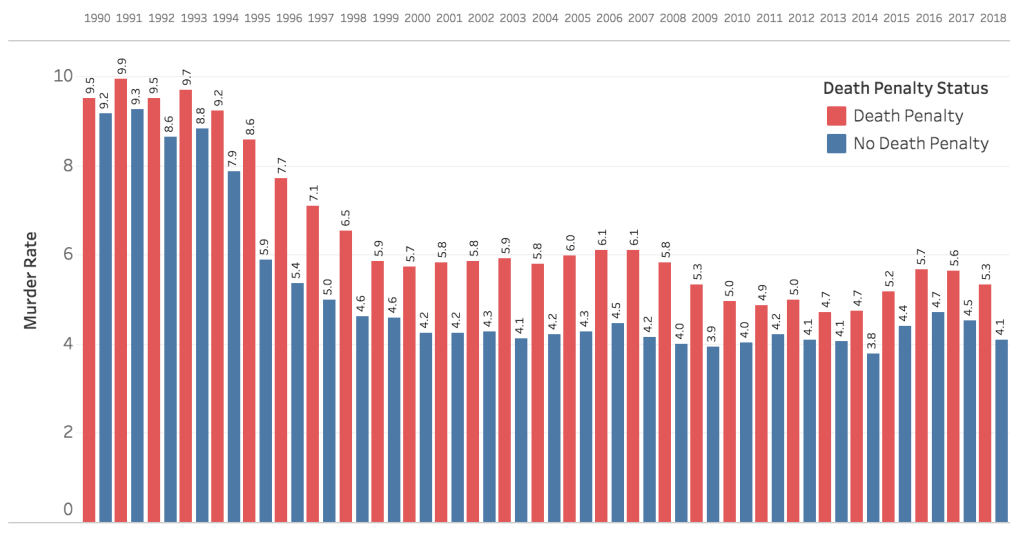
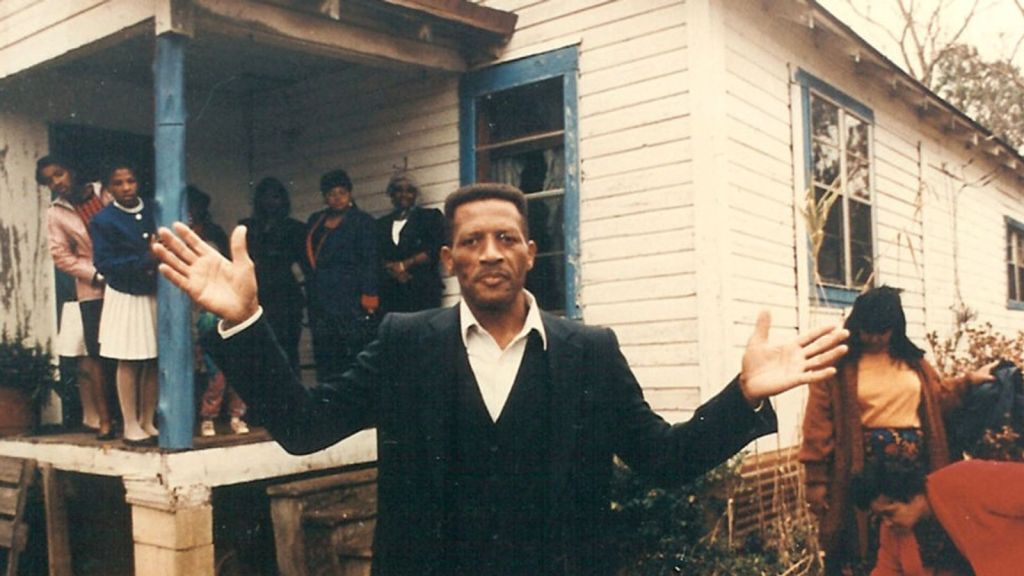
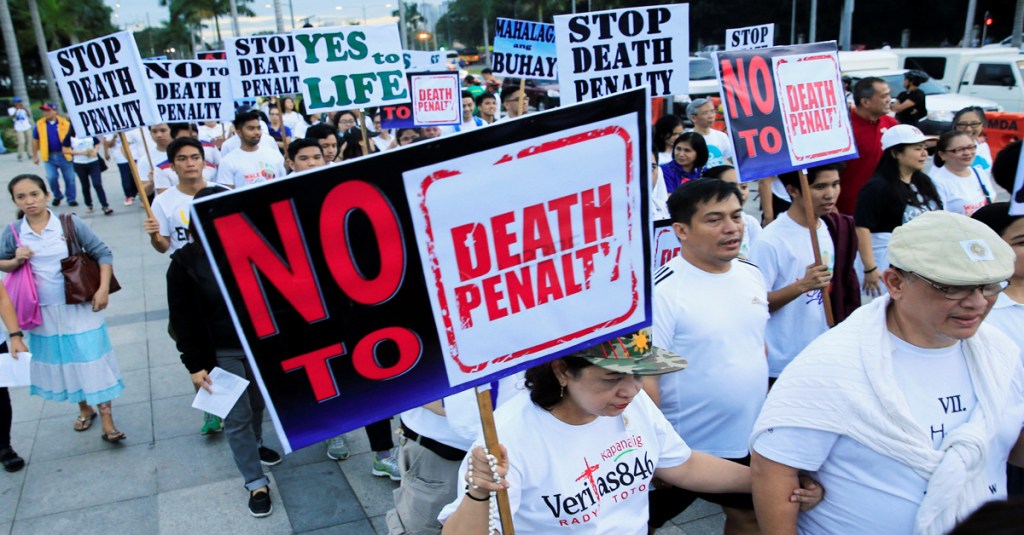

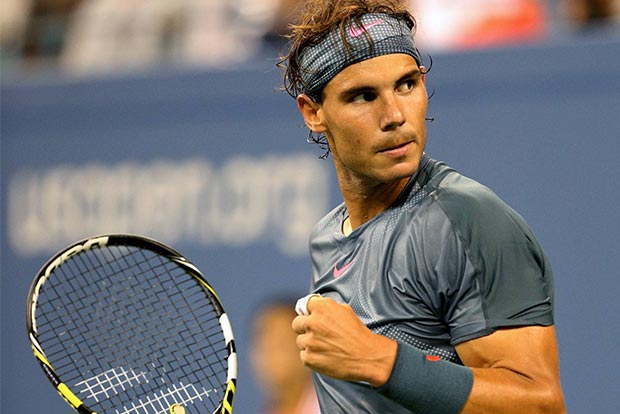
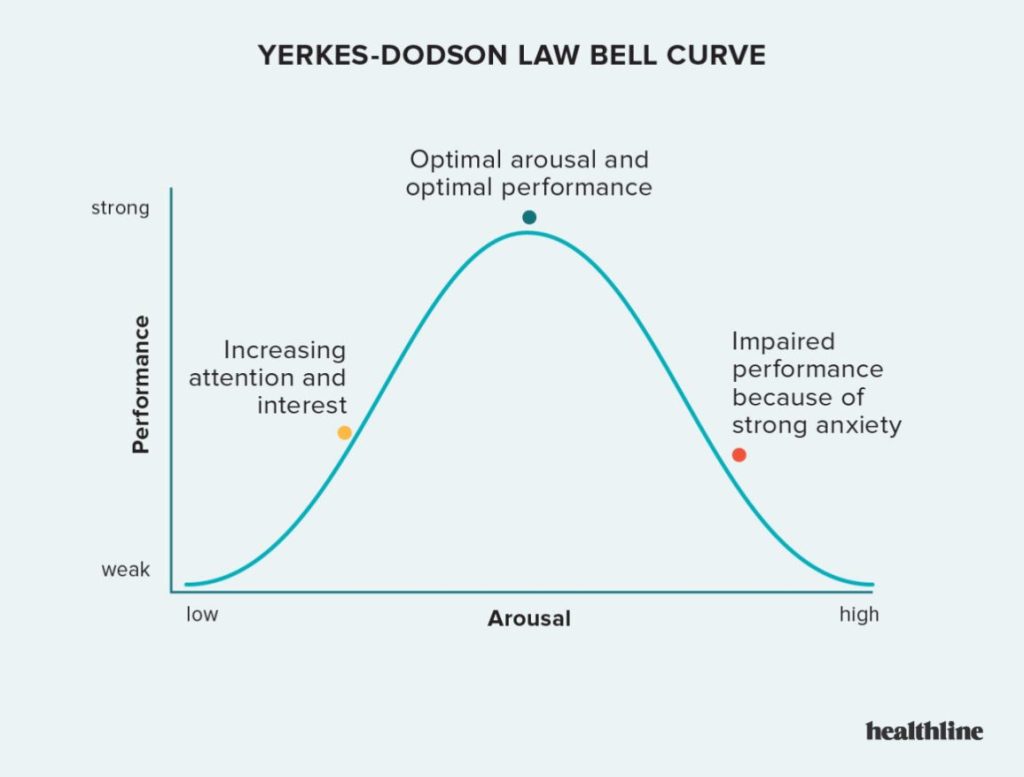
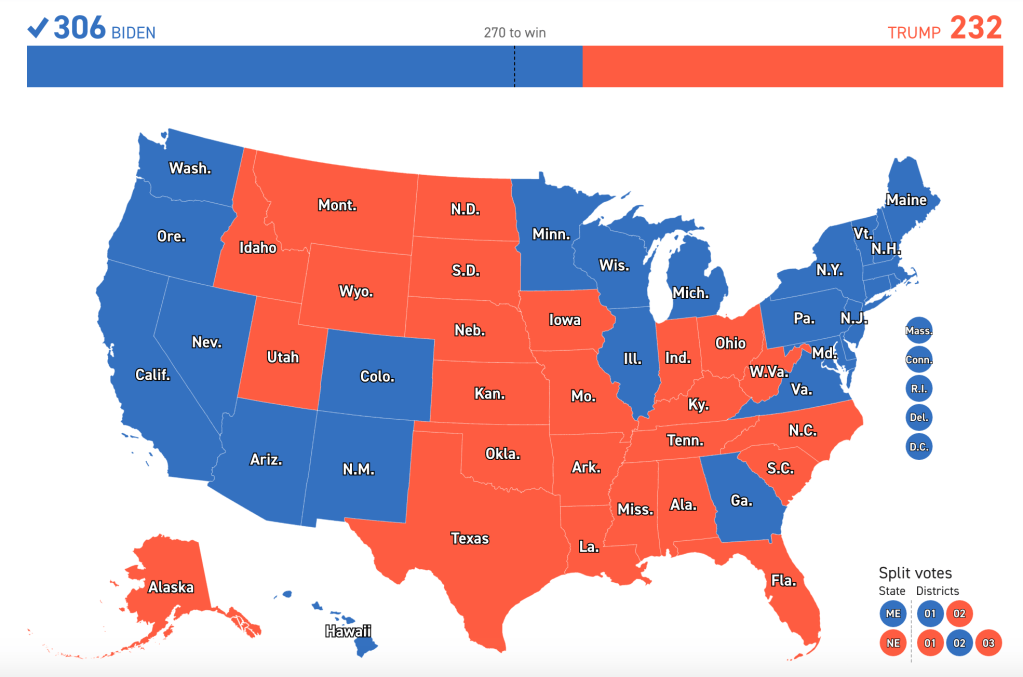
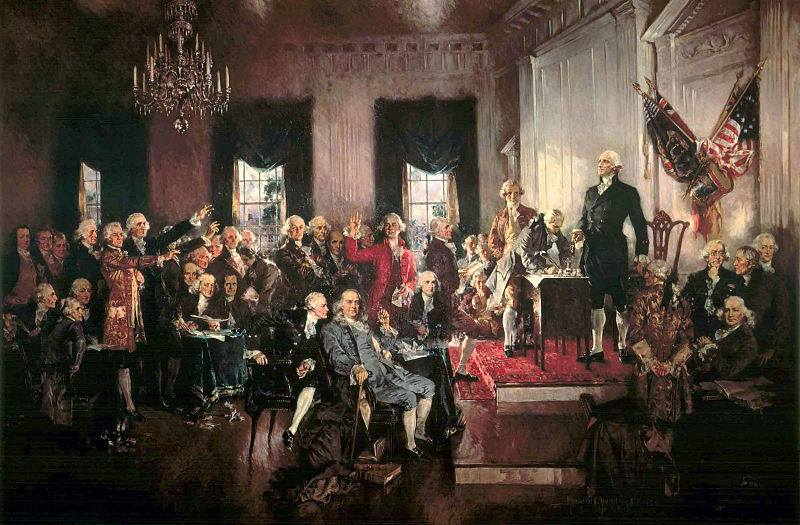
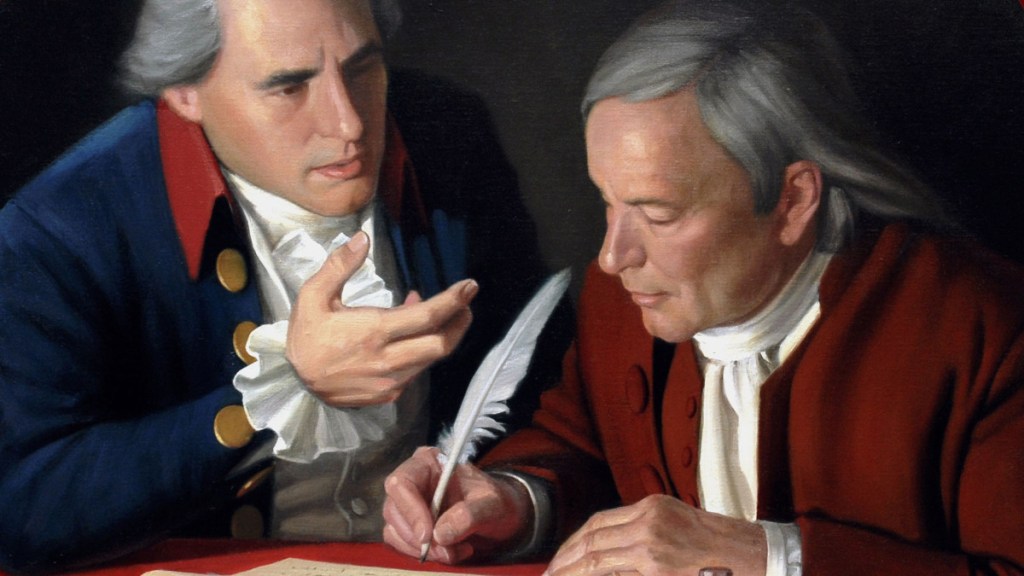
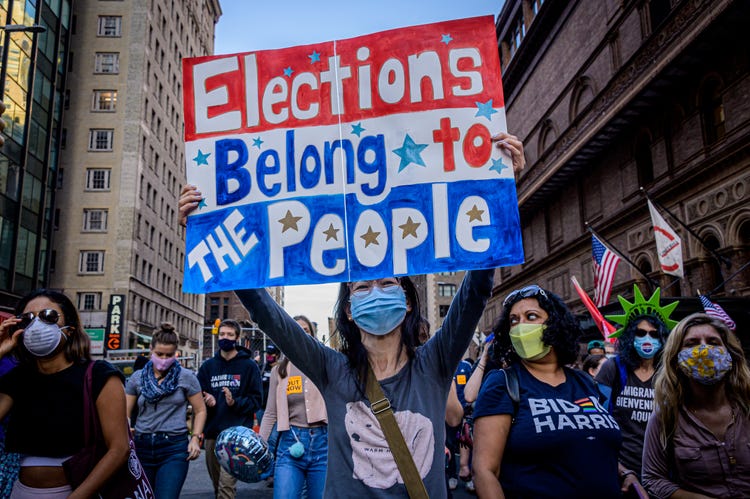
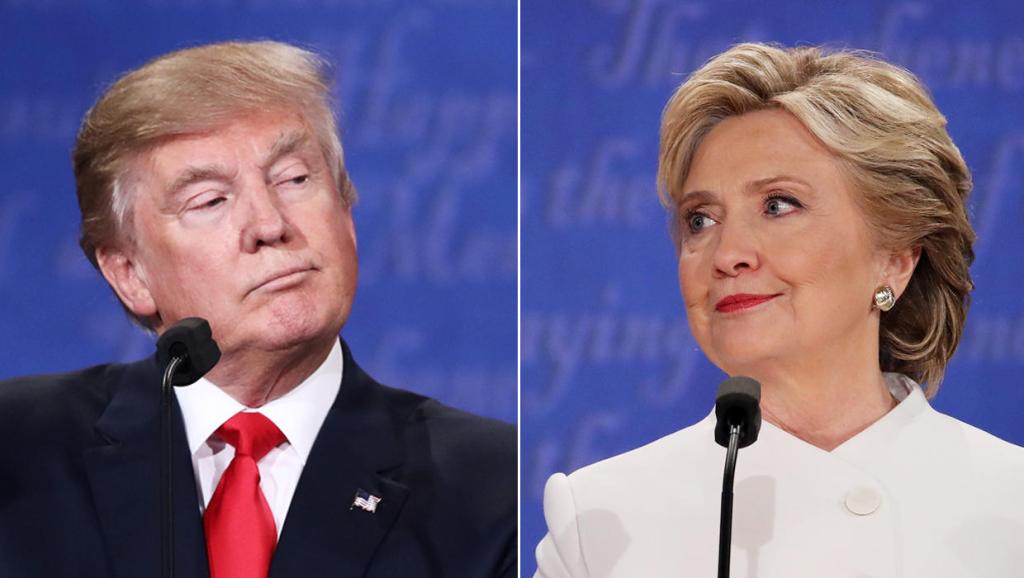
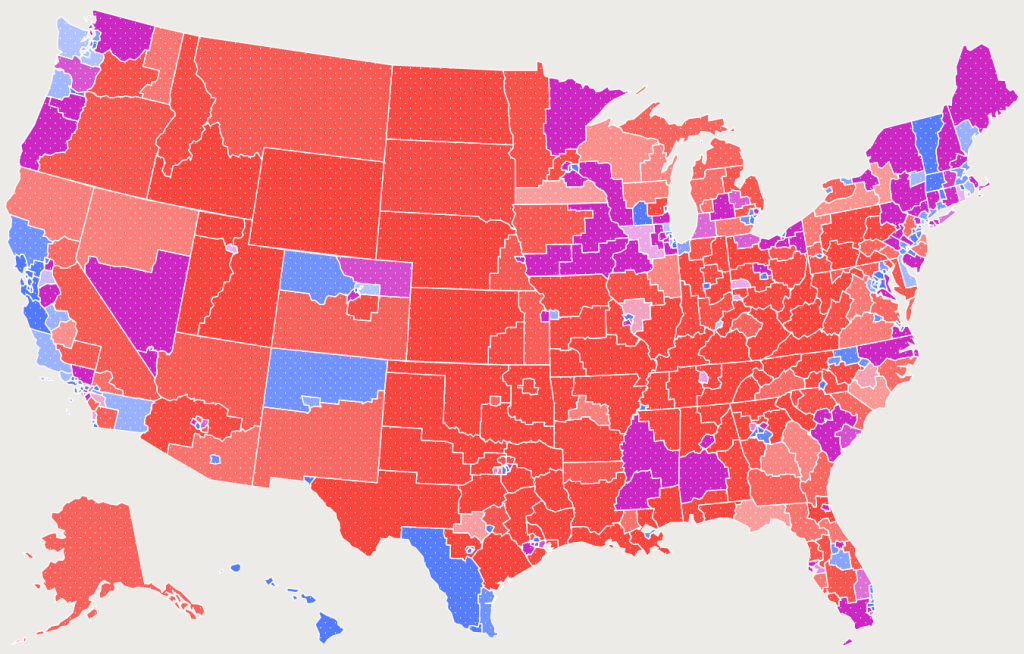

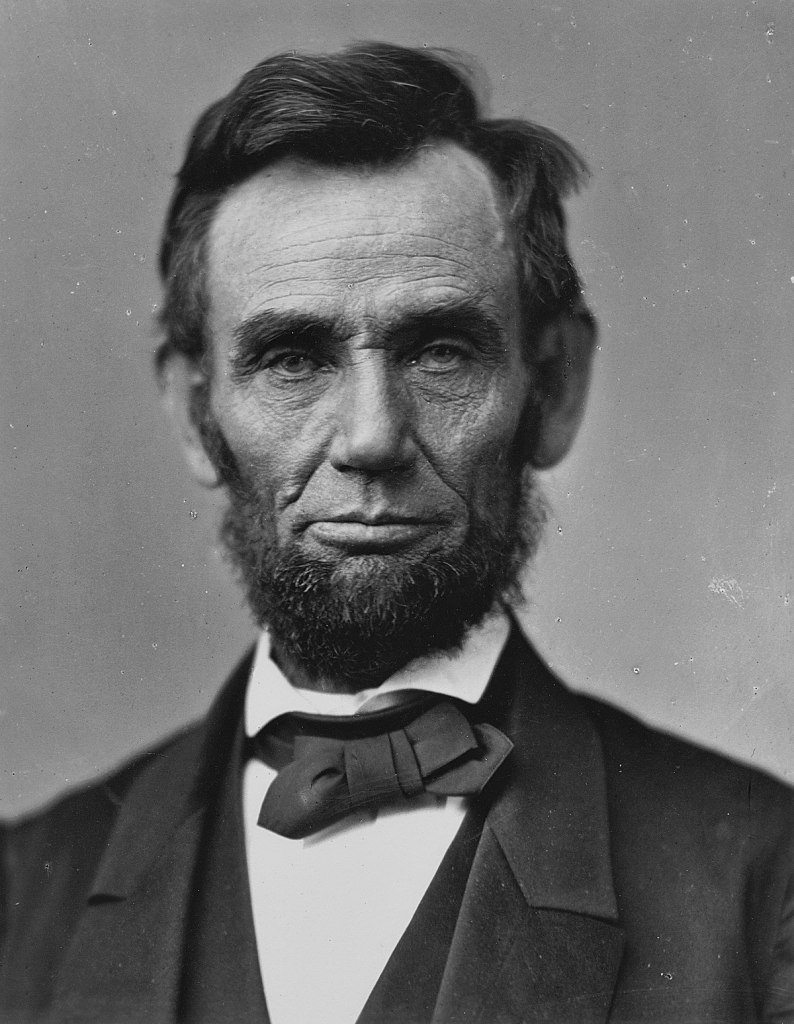
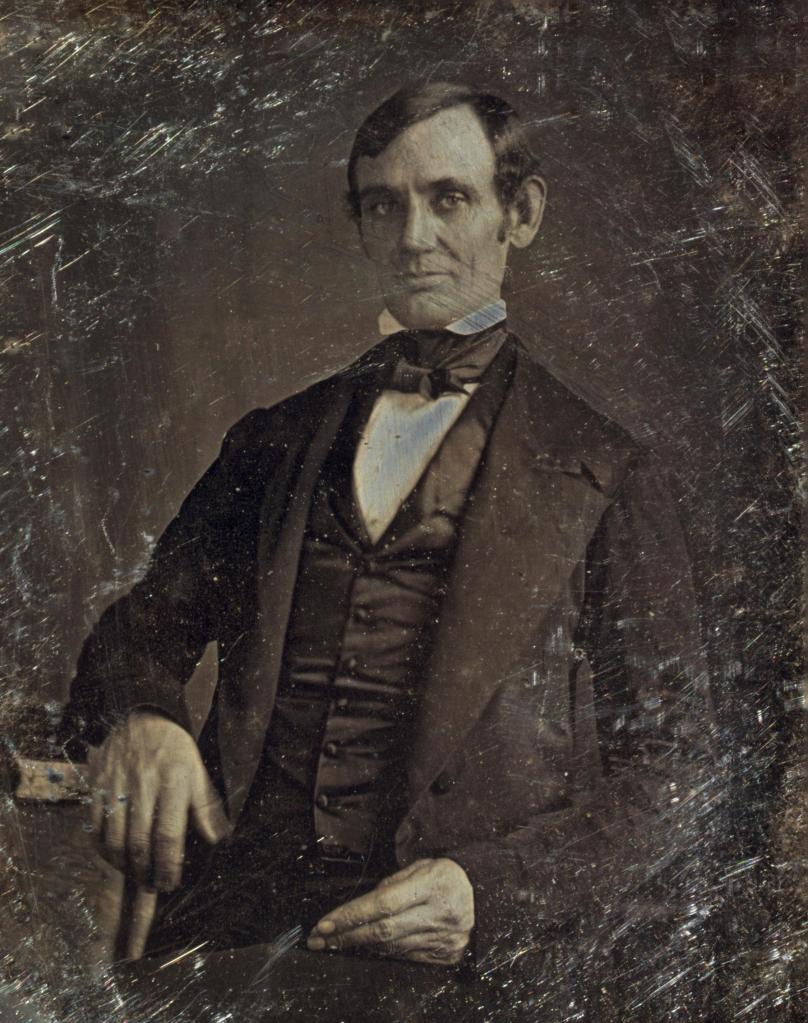
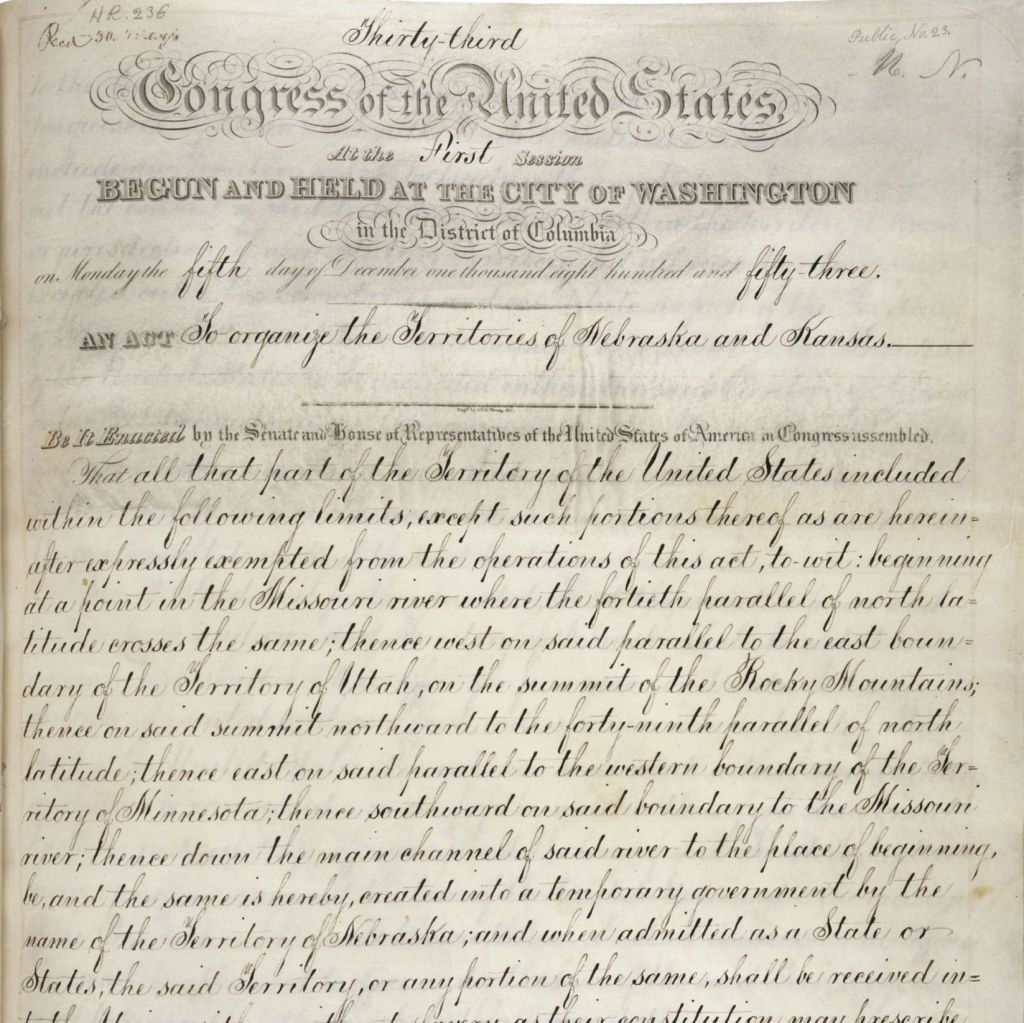
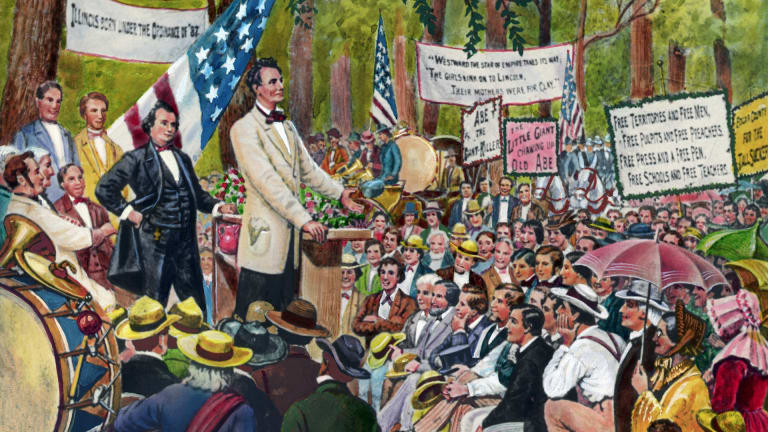


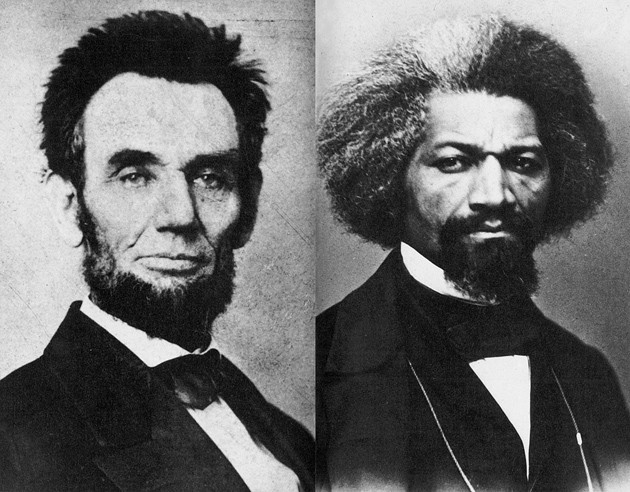
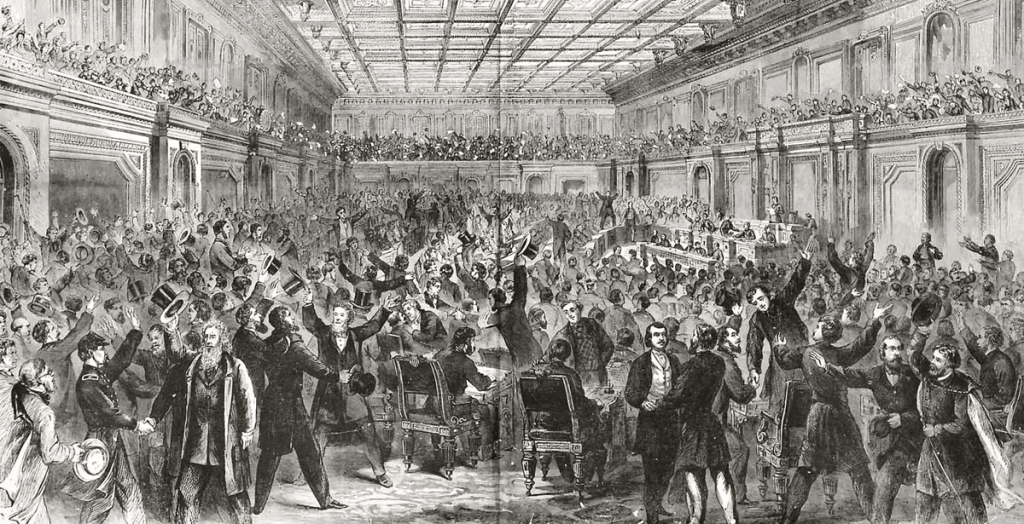
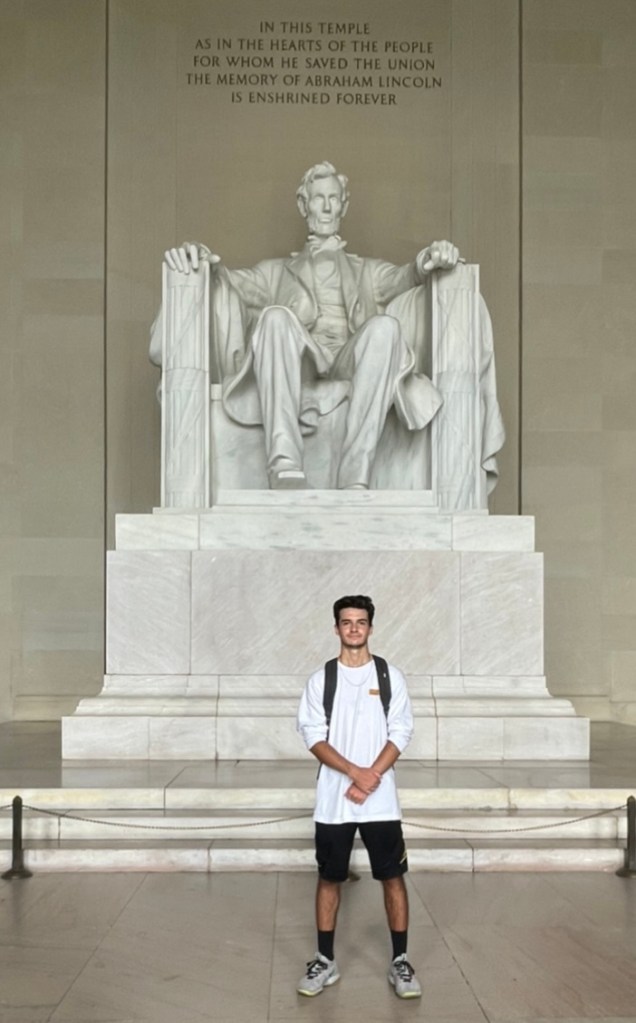

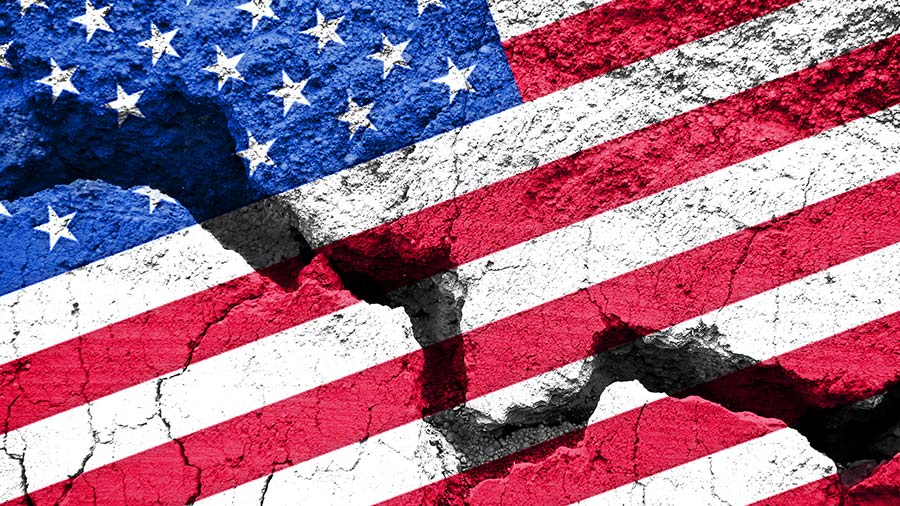
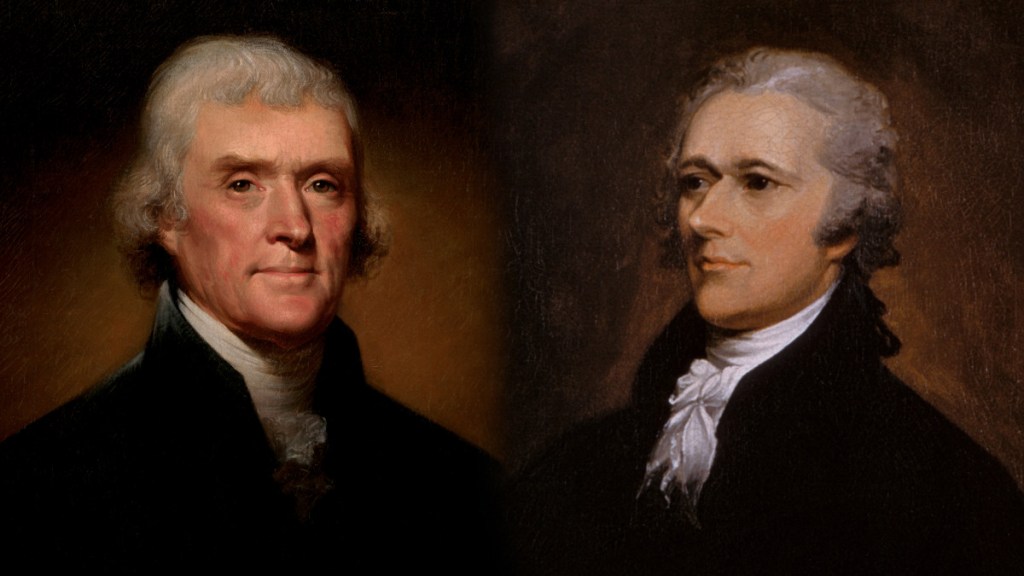
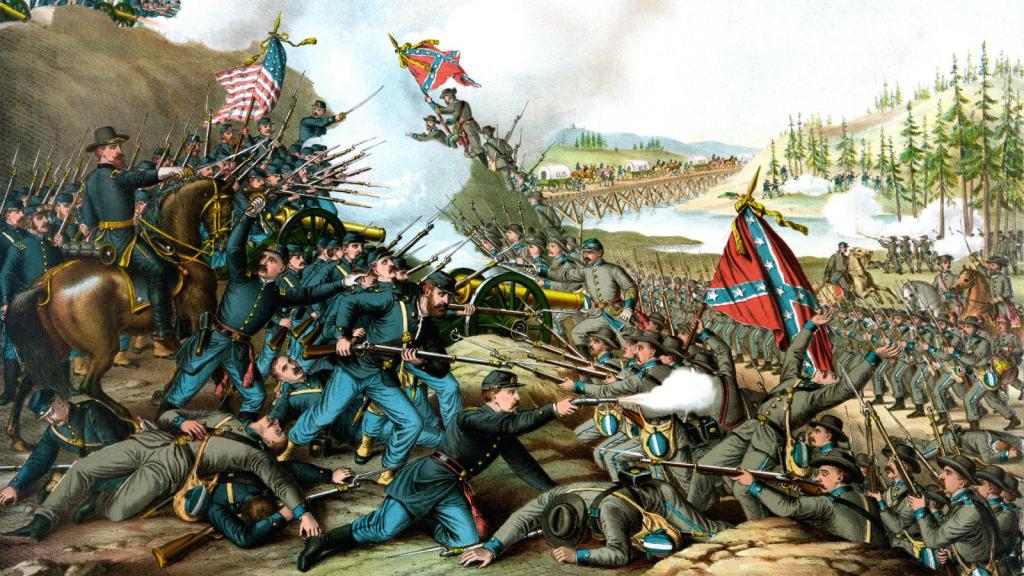

 All Things Tennis and Politics